
Routines
Mornings That Start The Night Before
Preparation done in the evening works because the previous night's version of you has capacity that the morning's does not, and the tasks transfer cleanly.
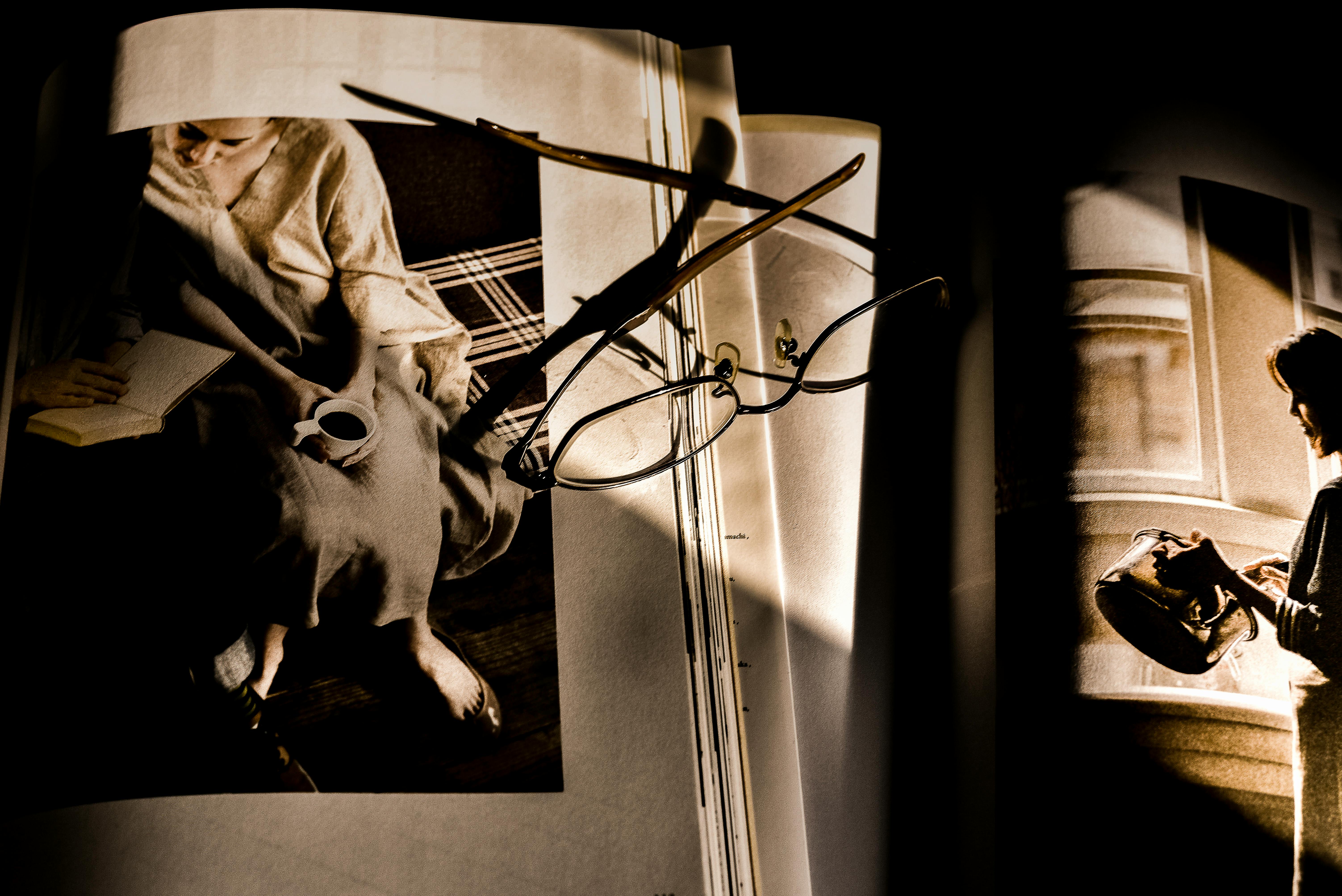
The reliable way to improve a morning is to do part of it the night before. The reason is that the two moments have very different amounts of capacity available.
The morning has the least slack in the day
Mornings run against a fixed deadline, often with several people to organise and no room to absorb an overrun. Anything that goes wrong has to be solved immediately.
They also start from a poor state. Judgement, patience and speed are all lower shortly after waking, and they improve over the following hour.
The combination means small problems have outsized effects. A missing item or an unmade decision costs more at seven than it would at any other hour.
Evenings have capacity that mornings do not
The hour before bed is usually unstructured. Nothing depends on it, an overrun costs nothing, and there is no queue behind it.
Tasks moved there are done under no pressure. The same ten minutes of preparation is comfortable in the evening and fraught in the morning.
This is the whole of the trade. The work is not reduced, it is relocated to where it is cheap.
What transfers well
Anything involving locating, deciding or assembling moves cleanly. Clothes, bags, keys, documents and the components of breakfast all fall into this group.
Decisions transfer particularly well, because a decision made once holds. Choosing what to wear or what to eat in advance removes the choice rather than speeding it up.
What does not transfer is anything perishable or anything that has to happen in sequence with the morning itself. Attempting to move those creates new problems.
Placement inside the evening matters
Preparation left until immediately before bed competes with tiredness and is frequently skipped. It sits better attached to an earlier fixed point, such as after clearing up.
Attaching it to something that already happens means it does not depend on remembering. The existing action becomes the prompt.
A short fixed sequence works better than a general intention to get ready. Three named items are done; being organised is not.
The effect on the morning is more than time
The saving in minutes is real but modest. The larger change is that the morning contains no unresolved questions.
Mornings that go badly usually do so because of a search or a decision, not because of a shortage of time. Removing both removes most of the failure modes.
It also lowers the cost of an early start. Getting up earlier is much easier when the first thirty minutes have already been settled.
Questions readers ask
Do I need to wake up early?
No. Chronotypes differ substantially and are partly genetic. A consistent wake time matters far more than an early one.
What if my mornings are chaotic because of other people?
Then the preparation shifts to the night before almost entirely, and the routine becomes about reducing decisions rather than creating time.


