Quiet Spaces
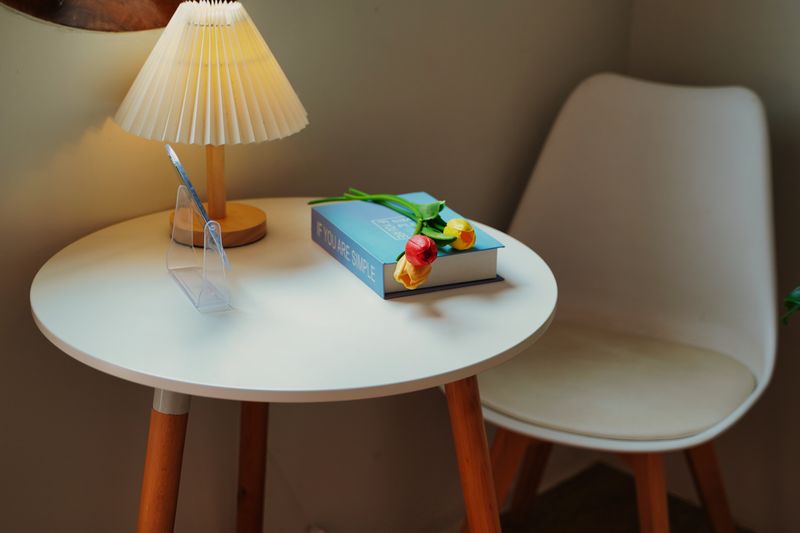
Light at home does more for how a room feels than anything you buy
Most rooms are lit by a single bright source in the ceiling, which is close to the worst arrangement available.
Making a home, a desk or a commute a little less abrasive.
21 articles · updated August 11, 2026 · page 1 of 2

Quiet Spaces
Humans habituate to most environmental irritants. Unpredictable noise is the notable exception, and it costs more than it seems.
Quiet Spaces
Most rooms are lit by a single bright source in the ceiling, which is close to the worst arrangement available.
Quiet Spaces
Most clutter is objects awaiting a decision, which is why tidying moves it and never removes it.
Quiet Spaces
Comfort depends on several variables at once, and thermostat temperature is only one of them.
Quiet Spaces
Almost everything that changes how a home feels is removable, and almost none of it needs permission.
Quiet Spaces
Most home working setups are improvised, and a few cheap adjustments resolve the discomfort people assume is unavoidable.
Quiet Spaces
The room accumulates functions until it is a study, a laundry and a screening room, and sleep is the thing that suffers.
Quiet Spaces
Houseplants have real benefits and do not measurably purify the air in an ordinary room.
Quiet Spaces
Working from home removed the commute, which was doing more psychological work than anyone credited.
Quiet Spaces
Most reasons people do not cook are logistical, and several are fixable in an afternoon.
Quiet Spaces
The first ten minutes of a day happen in one small room, and its irritations are cheap to remove.
Quiet Spaces
Weak ties do a large amount of practical and psychological work, and they are built by very small interactions.