Sleep
Drowsy Driving Is A Sleep Problem First
Sleepiness at the wheel produces brief lapses in attention that the driver cannot detect from inside, which is why the usual roadside remedies do so little.
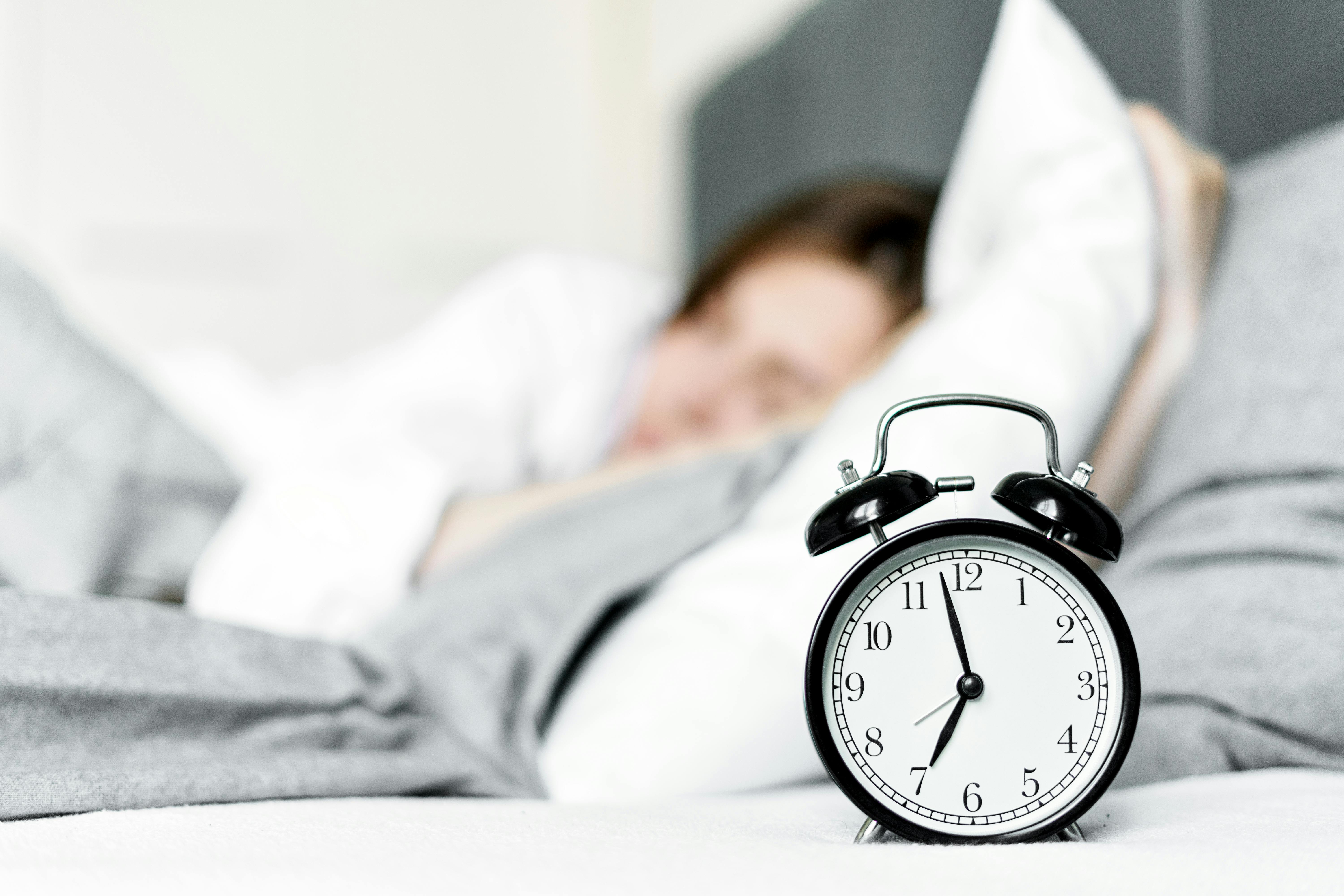
Drowsy driving is treated as a discipline problem and is a physiology problem. The central difficulty is that the impairment is invisible to the person experiencing it.
Sleep arrives in fragments before it arrives fully
Well before continuous sleep, the brain begins producing very short lapses lasting a few seconds, in which processing of the outside world briefly stops.
Eyes may stay open during these. The driver is not aware of them and typically believes they were awake throughout the whole stretch of road.
At highway speed a few seconds covers a substantial distance, which is why these lapses account for a class of crash with no braking beforehand.
Self-assessment is unreliable in exactly this state
Judging your own alertness requires the faculty that sleepiness degrades, so the assessment becomes less accurate as the need for it grows.
People consistently rate themselves more capable than measured performance shows, and the gap widens with hours awake.
Missing an exit, drifting toward a lane line or not remembering the last several miles are all signs that the state is already well established.
The usual roadside remedies do little
Opening a window, turning the radio up and drinking something cold produce a brief stimulus and no change in the underlying sleep pressure.
Because the alerting effect is short, they can be worse than nothing, by supplying a temporary sense of recovery that supports the decision to keep driving.
The only thing that removes sleep pressure is sleep, which is why the standard advice from traffic safety agencies is to stop rather than to try harder.
Timing and prior sleep set the risk
Sleep pressure and circadian timing combine, so the highest risk hours are overnight and again in the early afternoon dip.
A short night beforehand raises risk substantially, and several short nights accumulate rather than resetting each morning.
Long, monotonous stretches of interstate contribute as well, since a low-demand road supplies little of the stimulation that would otherwise keep arousal up.
Untreated sleep disorders sit underneath many cases
Persistent daytime sleepiness after apparently adequate nights is not normal, and obstructive sleep apnea is among the more common explanations for it.
Loud snoring, witnessed pauses in breathing and waking unrefreshed are the patterns that most often lead to a referral for assessment.
Anyone regularly fighting sleep at the wheel is describing a medical question rather than a scheduling one, and it belongs with a doctor.
Questions readers ask
Does a nightcap help me fall asleep?
It shortens sleep onset and damages the second half of the night. The trade is generally poor, and it worsens with regular use.
How long before bed should I stop?
Several hours is a reasonable target, and earlier is better. The closer to sleep, the larger the effect on sleep architecture.